How an Emergency Dentist Ventura Can Restore Comfort in One Visit

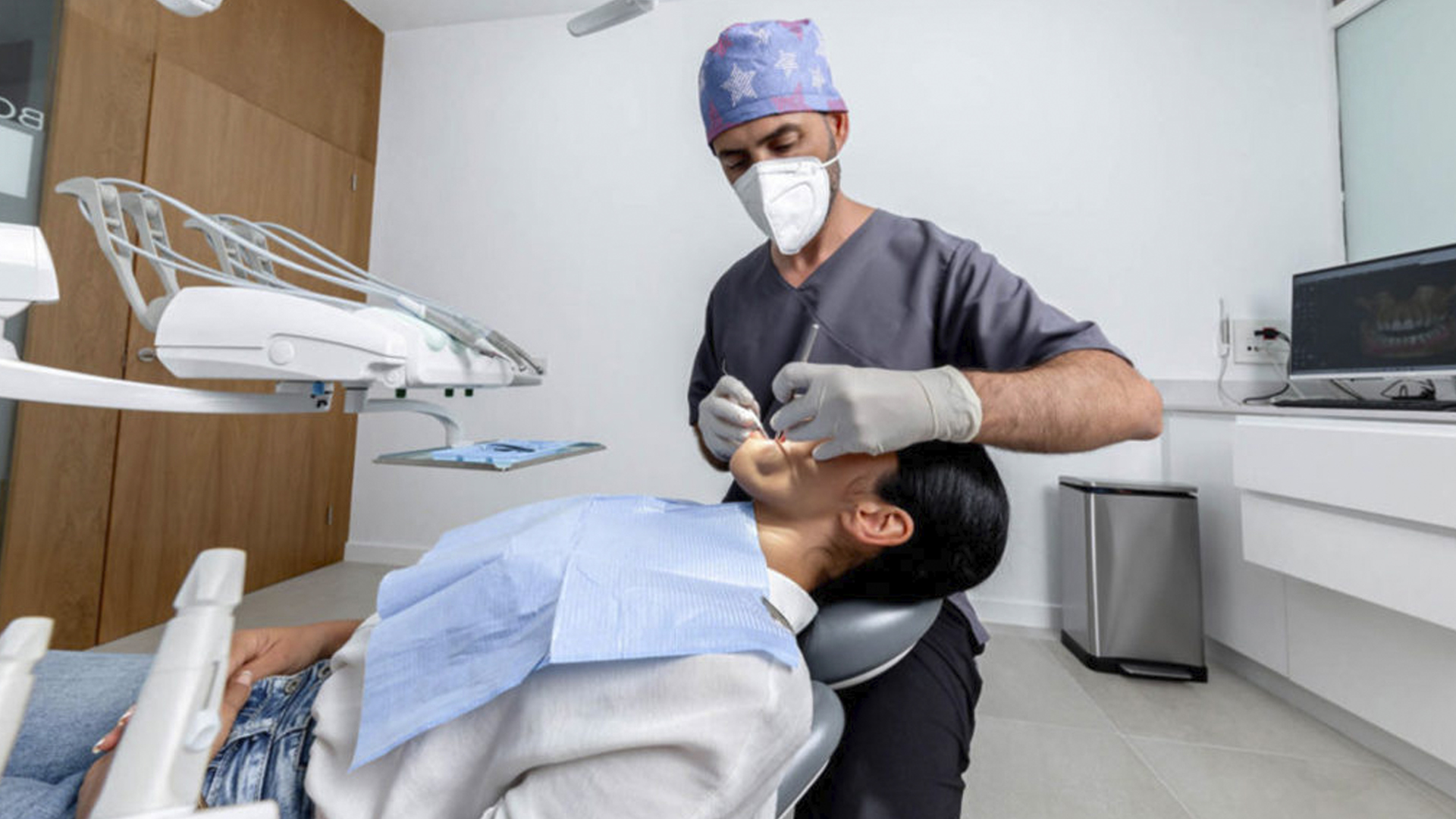
A dental emergency rarely arrives at a convenient time. It tends to happen during dinner, on a weekend, before a flight, or in the middle of an already difficult week. One sharp crack in a molar, one swelling gumline, or one throbbing tooth can change the entire day. The pain is distracting, sleep becomes difficult, and even simple things such as drinking water or speaking clearly can feel like work.
That is why same-day emergency dental care matters so much. In many cases, an emergency dentist Ventura patients can reach quickly is able to do far more than simply "look at the tooth" and send them home with instructions. The right office can diagnose the source of pain, stop the immediate problem, and provide a treatment that restores comfort in one visit. Sometimes that means draining an infection. Sometimes it means smoothing a broken edge, placing a temporary or permanent restoration, adjusting a painful bite, or beginning root canal therapy the same day. The details depend on the cause, but the goal is always the same: get the patient out of pain and back to functioning.
People often assume emergency dentistry is limited to severe trauma or unbearable pain. In practice, the definition is broader. A lost filling can expose sensitive dentin. A cracked tooth can become painful when biting. A crown that comes off can leave the tooth vulnerable. Swelling can signal infection, and infection can move quickly. Bleeding that does not stop, a knocked-out tooth, or a jaw injury clearly deserves urgent attention, but many "smaller" issues deserve prompt treatment too, because they tend to worsen when ignored.
What "restoring comfort" really means
When patients picture emergency dental treatment, they often imagine a rushed extraction or a prescription and not much else. That stereotype misses how modern emergency care usually works. Restoring comfort is not just about numbing pain for an hour. It means finding the exact reason the pain started and addressing the tissue or structure responsible for it.
A toothache can come from several places. It may be deep decay reaching the nerve, an old filling https://cashfeup411.meridiannest.com/posts/how-emergency-dentist-ventura-supports-recovery-after-dental-trauma that has leaked, a fracture line that opens under pressure, inflamed gums around a wisdom tooth, or an abscess building pressure in the surrounding bone and soft tissue. Those problems can feel similar at home, but they need different treatments in the chair. A careful exam, targeted X-rays, and a clear set of questions often reveal the cause quickly. Once the diagnosis is right, relief tends to follow much faster.
There is also a practical side to comfort that patients appreciate immediately. If the biting surface is adjusted properly, chewing stops triggering pain. If a broken edge is smoothed, the tongue and cheek stop getting cut. If trapped pressure from an infection is relieved, the throbbing often drops dramatically. If exposed dentin is covered, sensitivity to air and cold can improve the same day. These are not cosmetic improvements. They directly change how the mouth feels hour by hour.
The kinds of emergencies that can often be treated in one visit
A surprising number of urgent dental problems have a same-day solution, or at least a same-day stabilization that makes the patient comfortable and protects the tooth until the next step. This is one reason people searching for an Emergency Dentist Ventura often feel relieved after the first phone call. They expected to hear, "We can see you next week." Instead, they learn that immediate care is often possible.
Severe tooth pain is one of the most common reasons for emergency visits. If the nerve is inflamed or infected, treatment may involve removing decay, placing a sedative dressing, beginning root canal therapy, or extracting the tooth if it cannot be saved. Not every painful tooth needs the same procedure, but many can be calmed significantly in a single appointment.
Broken teeth are another frequent problem. A chipped front tooth from a sports injury may be repaired with bonding if the fracture is limited. A cracked molar might need a protective crown, a temporary build-up, or emergency stabilization until definitive treatment. If the break exposes the inner portion of the tooth, sensitivity can be intense, yet covering that area often brings immediate relief.
Lost crowns and fillings may sound minor until the exposed tooth reacts to every sip of water. Recementing a crown or replacing a filling is often straightforward if enough healthy tooth remains. Even when a full replacement cannot be finished that day, a temporary solution can protect the tooth and stop the sensitivity.
Swelling and dental abscesses deserve special attention. These can sometimes be managed with drainage, cleaning the affected area, opening the tooth to relieve internal pressure, and prescribing medication when appropriate. An infection in the mouth is not something to "wait out." If swelling affects swallowing, breathing, or spreads into the face or neck, it becomes more serious and can require hospital-level care. Good emergency dentists know when in-office treatment is enough and when a patient needs a higher level of intervention right away.
Why speed matters more than most people realize
Pain is the obvious reason to act quickly, but it is not the only reason. Dental problems are mechanical and biological at the same time. Once a tooth cracks, bites keep flexing it. Once a restoration falls out, bacteria and temperature changes reach areas that used to be sealed. Once a nerve becomes inflamed, pressure can build in a space that has nowhere to expand. That is one reason dental pain has a reputation for escalating fast.
There is also the cost factor. A problem that might have been managed with a filling on day one can turn into a crown, root canal, or extraction if enough time passes. Patients often think delaying care saves money. In dental emergencies, the opposite is frequently true. Early intervention usually preserves more tooth structure, avoids more extensive treatment, and limits time away from work or family obligations.
I have seen this pattern repeatedly in real practice settings. Someone notices sensitivity around a cracked tooth on Friday, decides to chew on the other side for a few days, and by Monday morning the crack has deepened or the pulp is involved. The final treatment becomes more involved than it had to be. The same principle applies to infections. What starts as localized swelling can become far harder to manage if it is allowed to spread.
What happens when you arrive for an emergency visit
One reason people delay treatment is fear of the unknown. They imagine a chaotic appointment or assume they will be pressured into a major procedure before they understand what is happening. A well-run emergency dental visit is usually the opposite. It is focused, systematic, and designed to move from pain to answers as efficiently as possible.
The appointment usually begins with a short medical and dental history, especially questions about when the pain started, whether it is triggered by hot, cold, pressure, or spontaneous throbbing, and whether there has been swelling, fever, trauma, or trouble sleeping. Those details matter because they help distinguish reversible irritation from more serious nerve involvement or infection.
From there, the clinician examines the area and takes any needed X-rays. A simple bite test, percussion test, or thermal test can reveal whether the issue is structural, pulpal, periodontal, or a combination. This phase is often faster than patients expect. Dental pain can feel mysterious at home, but in the chair, patterns emerge.
Once the problem is identified, the dentist explains the options. The conversation is not only about what can be done, but what should be done that day to provide the best immediate outcome. That may include definitive treatment if time and anatomy allow, or a stabilizing treatment that resolves pain and protects the tooth until a second visit.
Here is the practical sequence many patients experience during a same-day emergency appointment:
- Rapid diagnosis through exam and imaging.
- Local anesthesia if the area is painful or inflamed.
- Immediate treatment aimed at removing the source of pain or protecting the tooth.
- Clear instructions for recovery, medication, and follow-up if another step is needed.
That process sounds simple on paper, but the skill lies in judgment. The dentist has to decide which intervention will actually improve the situation today, not just postpone discomfort until tomorrow.
One-visit relief looks different from case to case
The phrase "one visit" can create unrealistic expectations if it is not explained carefully. In some situations, one visit means the problem is completely solved. In others, it means pain is controlled, the tooth is stabilized, and the patient can function normally while preparing for final treatment. Both outcomes are valid if the patient understands the plan.
Take a lost filling in a premolar. If there is enough healthy structure and the nerve is not involved, a replacement filling may solve the issue in one appointment and require nothing further. Compare that with a deeply infected molar. The emergency dentist may begin root canal treatment, remove infected tissue, disinfect the canals, and place a secure temporary seal. That often brings dramatic relief, yet the tooth may still need a second appointment for completion and later a crown for long-term protection.
Similarly, a cracked cusp on a back tooth can sometimes be treated with smoothing and a protective restoration that relieves pain at once. A vertical root fracture, by contrast, may leave extraction as the only predictable option. Patients appreciate honesty in these moments. The best emergency care is not the most aggressive. It is the most appropriate.
This is where experience matters. A clinician who sees urgent cases regularly develops a feel for what can be predictably handled chairside, what needs referral, and what temporary measure will genuinely hold versus fail over the weekend. That kind of judgment is difficult to fake and easy for patients to notice.
Pain control has improved, even for anxious patients
Fear of pain keeps many people from calling until symptoms are severe. It is an understandable fear, especially for anyone who had a difficult dental experience years ago. The reality is that pain control methods have improved significantly, and emergency dentists use them every day on people who arrive tense, underslept, and already hurting.
Effective local anesthesia is the foundation. Inflamed tissue can be harder to numb, but experienced dentists know how to adapt techniques, supplement injections, and allow enough time for anesthesia to work fully. For highly anxious patients, communication matters almost as much as the anesthetic itself. When people know what sensation to expect, what they will not feel, and when they can ask for a pause, their muscles relax and treatment goes more smoothly.
In practical terms, one visit is often the turning point not only for the tooth, but for the patient's stress level. They walk in bracing against every breath of cold air and leave able to unclench their jaw for the first time in days. That emotional change is real. Pain narrows a person's world. Relief opens it back up.
Cases that need immediate attention, not watchful waiting
Not every dental problem can wait for a convenient opening next week. Certain symptoms deserve urgent evaluation because they may reflect infection, trauma, or damage that becomes harder to treat with time.
The following signs should prompt a call right away:
- swelling in the gums, face, or jaw
- severe tooth pain that keeps you from sleeping or eating
- a knocked-out, loose, or displaced tooth after trauma
- uncontrolled bleeding in the mouth
- a broken tooth with sharp pain or exposed inner tooth structure
A knocked-out permanent tooth is especially time-sensitive. If it can be reimplanted quickly, sometimes within 30 to 60 minutes, the odds of saving it improve. Even if more time has passed, it is still worth seeking immediate care. Handle the tooth by the crown, not the root, and keep it moist if possible. Small decisions in those first minutes can make a major difference.
Why local access in Ventura makes a practical difference
When people are hurting, distance feels longer. A nearby office matters because dental emergencies are not just clinical events, they are logistical ones. The patient may be missing work, coordinating child care, dealing with facial swelling, or trying to drive while in significant pain. Having an Emergency Dentist Ventura residents can reach quickly reduces friction at every step.
Local care also improves follow-through. If the emergency treatment involves a temporary restoration, a recheck, or completion of a root canal or crown, patients are far more likely to return promptly when the office is close and familiar. Continuity matters. The dentist who saw the emergency knows what the tooth looked like, what was done, how the patient responded, and what needs to happen next.
That continuity is often underappreciated. In medicine and dentistry alike, urgent care can become fragmented. A patient gets temporary relief somewhere, then struggles to transfer records or explain the sequence later. A local emergency dental office that can both treat the crisis and coordinate the next step creates a much smoother experience.
How to prepare before you call
When people are in pain, they often apologize for not having perfect information ready. There is no need for that. Still, a few details can help the front desk and clinical team move faster. Knowing which tooth seems involved, whether there is swelling, whether trauma occurred, and what medications have already been taken is useful. If a crown or broken piece came out, bring it with you. Sometimes it can be reused, sometimes not, but it is worth having.
If the office asks about medical conditions or blood thinners, answer carefully. These details affect treatment choices, especially if extraction or drainage may be needed. If you have fever, facial swelling that is increasing, or difficulty swallowing, say so immediately. Triage starts on the phone.
It also helps to set realistic expectations. Emergency appointments are built to solve urgent problems first. If there are unrelated cosmetic concerns, old fillings to discuss, or long-standing treatment questions, those can usually wait for a regular exam once the painful issue is under control. Keeping the visit focused helps everyone.
After the appointment, the mouth usually tells the story quickly
Patients often want to know how soon they will feel normal. The answer depends on the cause of the emergency and the treatment performed, but many notice a clear improvement within hours. If pressure has been relieved, if a tooth has been sealed, or if a painful bite has been adjusted, the difference can be immediate. Numbness may wear off before bedtime, and soreness from the procedure itself can replace the sharper pain that brought them in. That trade is usually welcome.
There are, of course, exceptions. A deeply infected area may remain tender for a day or two even after proper treatment begins. A difficult extraction can lead to expected postoperative soreness. A tooth with a crack that extends below the gumline may feel improved after stabilization but still require a definitive next step. None of this means the emergency visit failed. It means healing has a timeline, and the purpose of the urgent appointment is to put that healing in motion as quickly and safely as possible.
Good aftercare instructions make a difference here. Patients should know what level of discomfort is expected, which symptoms should steadily improve, and what would justify a return call. Clarity prevents unnecessary worry and helps catch true complications early.
The real value of one-visit emergency dentistry
The strongest emergency dental practices understand that comfort is about more than pain scores. It is about restoring the ability to eat, sleep, speak, and think about something other than the tooth. It is about reducing fear through competent, direct care. It is also about preserving options. Every hour that a tooth is protected from further fracture or infection is valuable.
A good emergency visit does not feel rushed, even though it moves quickly. The dentist listens, narrows the possibilities, explains what is happening in plain language, and acts decisively. That combination is what patients remember. Not just that the pain eased, but that someone made sense of a problem that felt overwhelming and solved the part that could be solved right then.
For many Ventura patients, that is exactly what an emergency appointment is for. Not a vague promise of relief someday, but a meaningful improvement before they walk out the door. Whether the answer is a filling, crown recementation, root canal access, drainage, bite adjustment, or extraction, the principle is the same. The right treatment, delivered promptly, can restore comfort in one visit and prevent a bad situation from becoming much worse.
When a tooth suddenly becomes the center of your day, speed, judgment, and practical skill matter. An experienced Emergency Dentist Ventura patients can see promptly is often able to turn a painful, stressful disruption into a manageable problem with a clear path forward. That kind of care is not a luxury. In a true dental emergency, it is exactly what makes relief possible.
Avra Dental
1708 S Victoria Ave B, Ventura, CA 93003, United States
Phone: +1 805-765-3206
FAQ About Emergency Dentist Ventura
Can the ER do anything for tooth pain?
An emergency department can assess serious symptoms and provide temporary relief, but definitive dental treatment usually requires a dentist. Trouble breathing or swallowing, uncontrolled bleeding, or swelling spreading into the neck requires emergency medical care.
What do I do if I have a dental emergency and no dentist?
Contact a local emergency dental practice promptly, explain your symptoms, and ask about the earliest available assessment. Avra Dental provides emergency dentistry in Ventura; call to confirm availability. If you have life-threatening symptoms or a serious facial injury, go to an emergency department or call 911.
What do I do if tooth pain is unbearable?
Seek urgent dental assessment rather than waiting for the pain to pass. While arranging care, gently rinse with warm water and avoid placing aspirin directly on the tooth or gums. Severe pain with trouble breathing or swallowing, rapidly spreading swelling, or uncontrolled bleeding needs immediate emergency medical care.