Gum Disease Treatment for Receding Gums Explained

Receding gums tend to creep up on people. A little extra tooth showing near the canine, a slight notch at the gumline, a twinge when cold water hits one lower incisor, then one day the change is hard to ignore. Patients often assume the gums simply “pulled back” because of brushing too hard or getting older. Sometimes that is partly true. Very often, though, recession is tied to gum disease, and that changes both the diagnosis and the treatment plan.
That distinction matters because recession is not a single disease. It is a visible sign with several possible causes. If the underlying problem is periodontal infection, no amount of toothpaste, mouthwash, or gentler brushing will reverse it on its own. If the recession comes from aggressive brushing, clenching, thin gum tissue, or tooth position, the approach is different. Good Gum Disease Treatment starts with figuring out why the gums are receding in the first place, how much supporting bone has been lost, and whether the condition is still active.
The frustrating part is that people usually notice recession late. Gum disease can progress quietly for months or years without dramatic pain. Bleeding while brushing gets dismissed. Chronic bad breath gets blamed on coffee or dehydration. Teeth may still feel “fine” even while inflammation is undermining the tissues that hold them in place. By the time roots look exposed, there may already be attachment loss beneath the surface.
What receding gums really mean
Healthy gums fit around teeth like a firm collar. They do not merely cover the roots for appearance. They protect deeper tissues, help seal out bacteria, and contribute to stability. When gums recede, root surfaces become exposed. Root cementum is softer than enamel, which is why exposed roots often become sensitive and more prone to wear and decay.
Recession can happen with or without periodontitis. That is where many people get confused. Gingivitis is inflammation limited to the gums. It can cause redness, swelling, and bleeding, but it does not destroy the bone or ligament that anchor teeth. Periodontitis goes deeper. It involves bacterial biofilm, the body’s inflammatory response, and actual breakdown of supporting structures. Once attachment and bone are lost, treatment focuses on halting progression and preserving what remains. Regaining full original anatomy is rarely simple.
In practice, recession linked to gum disease often comes with a pattern. The gums look puffy in some areas and thin in others. There may be plaque and calculus tucked below the gumline. Pocket measurements are deeper than normal. X rays may show bone loss, sometimes generalized, sometimes around a few problem teeth. Teeth can begin to drift or loosen. Patients may describe a new gap that was not there a year ago, or food trapping between teeth that used to fit tightly together.
The common causes behind the problem
Receding gums are usually multifactorial. One patient may have early periodontal disease plus forceful horizontal brushing. Another may have excellent home care but very thin tissue over prominent lower front teeth. A third may have recession accelerated by smoking, diabetes, and years of untreated tartar buildup.
The most common drivers I see discussed in clinical settings include chronic plaque accumulation, calculus below the gumline, smoking or vaping, uncontrolled blood sugar, grinding and clenching, misaligned teeth, thin gum biotype, and trauma from brushing. Oral piercings can contribute. So can poorly designed restorations that trap plaque or crowd the gum margin. The point is not to guess. It is to identify the active contributors in your own mouth.
That is why one person with visible recession needs deep cleaning and close periodontal maintenance, while another is referred for a gum graft after inflammation is controlled. Recession is the end result you can see. The cause determines what treatment is likely to work.
How gum disease is diagnosed when gums are receding
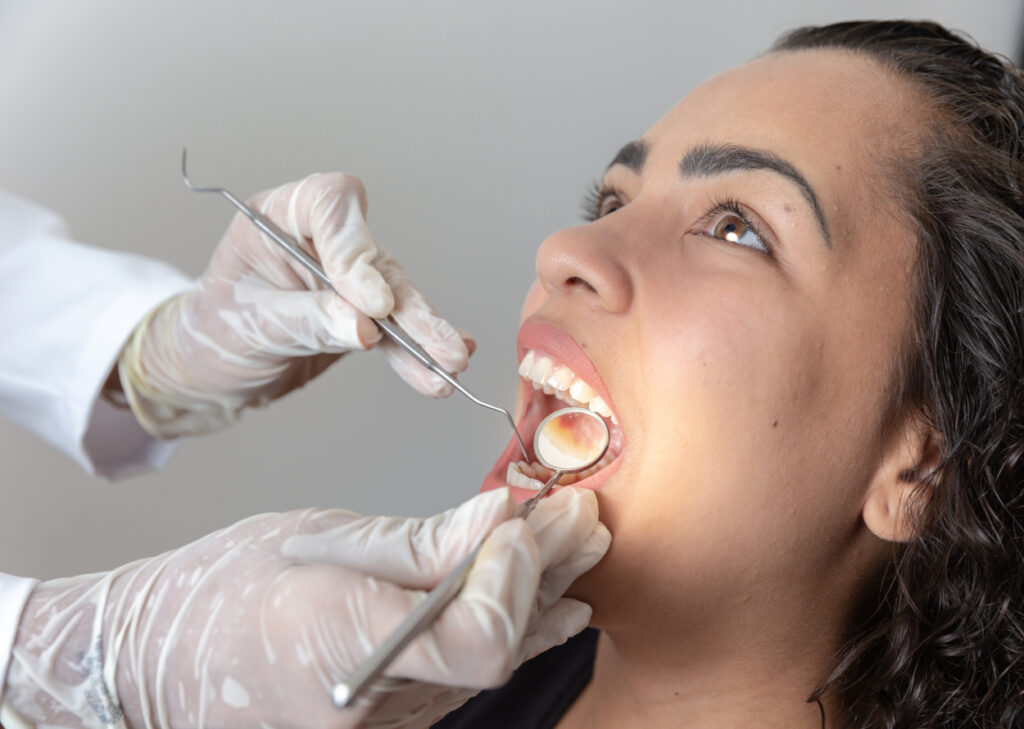
A proper periodontal evaluation is more detailed than a quick glance and a reminder to floss. It usually includes periodontal probing around every tooth, checking for bleeding points, looking for pus or drainage, assessing gum thickness, measuring recession, testing tooth mobility, and reviewing X rays for bone levels. Dentists and periodontists also look at bite forces, areas where the frenum pulls on the gum, and whether recession sits over a tooth that is tipped outward.
Pocket depth matters, but it is not the whole story. A shallow pocket can exist alongside recession and still represent attachment loss. For example, a 2 millimeter pocket may sound normal, but if the gumline has already receded 4 millimeters, the total attachment loss is significant. That is why clinicians calculate both probing depths and clinical attachment levels. Patients often hear only one number and come away with the wrong idea.
Bleeding on probing is another important sign. Healthy gums do not bleed easily. If they do, there is inflammation somewhere. Yet advanced periodontitis can sometimes look deceptively quiet in smokers, because smoking alters blood flow and masks bleeding. This is one reason smoking is such a dangerous variable in periodontal care. The disease can be active while looking less dramatic than it really is.
When recession is mostly cosmetic and when it is a structural problem
Not every case of receding gums is urgent in the same way, but some are clearly more serious than others. A small, stable area of recession on one canine with no bleeding, no pocketing, and no bone loss may be monitored or treated mainly for sensitivity or appearance. Generalized recession with bleeding, deep pockets, tartar, and radiographic bone loss is not a cosmetic issue. It is a chronic infection with structural consequences.
A useful way to think about it is this: the visible root is the tip of the iceberg. The bigger concern is whether the supporting bone and connective attachment are being lost under the gumline. If they are, the priority is to stop further destruction before talking about root coverage procedures.
People are often surprised by that sequence. They come in asking whether the gums can be “put back” over the teeth right away. Sometimes the answer is yes, eventually. Often the answer is not until the tissues are healthy and stable. Trying to graft inflamed, infected tissue is a setup for disappointing healing.
The first phase of Gum Disease Treatment
For recession associated with periodontal disease, the first phase is usually non surgical periodontal therapy. This is often called scaling and root planing, though some offices may use different terms. The goal is to remove plaque, tartar, and bacterial deposits above and below the gumline, smooth contaminated root surfaces, and reduce inflammation so the tissues can begin to tighten and heal.
This stage can be more involved than a standard cleaning. Local anesthetic is commonly used. In moderate or advanced cases, treatment may be divided by quadrants over more than one visit. Some clinicians use irrigation, localized antimicrobials, or adjunctive therapies in selected cases, but the foundation remains meticulous mechanical debridement. Fancy add ons do not replace thorough instrumentation.
Patients sometimes worry because https://stephendqna659.evergrovio.com/posts/gum-disease-treatment-for-seniors-what-changes-with-age the gums can look more recessed after deep cleaning. That can happen, and it usually reflects reduced swelling rather than damage from the treatment. Inflamed gums are puffy. When the puffiness subsides, the true shape of the tissue becomes visible. The trade off is worth it, because healthy, firm gums are more protective than swollen, bleeding ones that only appear fuller.
A short checklist helps set expectations during this stage:
- Some tenderness and sensitivity are common for several days after treatment.
- Root exposure may look more obvious as inflammation resolves.
- Daily plaque removal at home becomes more important, not less.
- Reevaluation is essential, usually after the tissues have had time to heal.
- Maintenance visits need to be more frequent than routine cleanings for many periodontal patients.
That reevaluation appointment is where treatment really takes shape. Pocket depths are remeasured. Bleeding is reassessed. Areas that responded well may move into maintenance. Sites that remain deep or inflamed may need surgical treatment or specialist referral.
What happens if deep cleaning is not enough
When pockets remain too deep to keep clean, or when certain defects are not responding, periodontal surgery may be recommended. The word surgery tends to alarm people, but the reason is straightforward. Some root surfaces and bony defects are simply inaccessible without lifting the gum tissue. If bacteria and calculus remain sheltered there, inflammation tends to continue.
There are several surgical approaches, each chosen for a reason. Flap surgery allows direct access for cleaning roots and reshaping tissue. In selected defects, regenerative procedures may be attempted with bone graft materials or membranes to encourage some rebuilding of lost support. Crown lengthening is a different procedure and should not be confused with recession treatment. It removes or recontours tissue and sometimes bone for restorative access, not for root coverage.
For receding gums specifically, the question becomes whether root coverage is realistic after disease control. That depends on the amount of bone loss between teeth, the width and thickness of remaining gum, the position of the tooth, and the patient’s habits. If the tissue is too thin, if inflammation persists, or if there is severe interproximal bone loss, full root coverage may not be biologically possible. Partial improvement can still be valuable. Reducing sensitivity, thickening tissue, and making the area easier to clean are meaningful gains even when the gumline cannot be restored to where it was years ago.
Gum grafting and root coverage, when they help and when they do not
Gum grafting is the procedure many people have heard about when recession is visible. It can be very effective, but it works best under the right conditions. Most grafting procedures aim to increase the amount of keratinized tissue, thicken thin gums, cover exposed root surfaces, or protect vulnerable sites from further recession.
Common techniques include connective tissue grafts, free gingival grafts, and certain flap based approaches that reposition existing gum tissue. The choice depends on anatomy and goals. A connective tissue graft is often favored when the main objective is root coverage with a good aesthetic blend. A free gingival graft may be chosen when the priority is increasing durable attached tissue in a high risk area, such as the lower front teeth.
A common misconception is that grafting “cures” gum disease. It does not. Grafting is not a substitute for Gum Disease Treatment. If periodontal infection is active, it has to be controlled first. Grafting can then address tissue deficiency or exposed roots in a healthier environment.
Patients also deserve an honest discussion about outcomes. Root coverage percentages vary. The result on a single recession defect in a healthy nonsmoker with thick tissue can be excellent. The result around multiple teeth in someone with advanced periodontal bone loss may be more modest. Experienced clinicians usually frame success in practical terms: less sensitivity, better tissue thickness, improved cleansability, and as much root coverage as biology allows.
Sensitivity, root decay, and the day to day problems recession creates
For many patients, the first symptom that pushes them to seek care is not bleeding. It is sensitivity. Exposed roots react to cold air, sweet foods, acidic drinks, and toothbrushing. Some people change their habits to avoid discomfort, then inadvertently worsen the situation by brushing less effectively around tender areas. Plaque builds up, inflammation increases, and the cycle continues.
Root surfaces are also more vulnerable to decay than enamel. This is especially important in adults who take medications that reduce saliva, patients with dry mouth, and older adults who snack frequently or sip sweet beverages throughout the day. I have seen small recession defects become far bigger problems because the exposed root developed a cavity near the gumline. Restoring those lesions can be technically difficult, especially if the area stays moist, bleeds easily, or sits in a zone of active recession.
Desensitizing toothpaste, fluoride varnish, prescription fluoride, and changes in brushing technique can all help. So can reducing acidic drinks and not scrubbing immediately after consuming them. But these measures manage symptoms and reduce risk. They do not treat active periodontitis if it is present.
Home care after treatment, the part that decides whether results last
Professional treatment changes the environment. Daily habits determine whether the new environment stays stable. This is where many otherwise successful periodontal cases begin to slide backward. Not because the initial therapy failed, but because plaque control became inconsistent once the gums felt better.
The right home care routine is rarely elaborate. It needs to be effective and sustainable. That usually means a soft bristled brush, gentle but thorough technique, and daily cleaning between teeth with floss, interdental brushes, or water flossing depending on the spaces and the patient’s dexterity. Larger recession areas and exposed root contours often make tiny interdental brushes surprisingly useful, especially where floss alone tends to skim past the plaque.
These habits matter most:
- Brush with light pressure and small controlled motions, not vigorous scrubbing.
- Clean between teeth every day using the tool that actually fits your anatomy.
- Use fluoride products consistently if roots are exposed or sensitivity is present.
- Keep periodontal maintenance visits at the interval your clinician recommends.
- Address smoking, grinding, or dry mouth if they are part of the picture.
The best routine is the one a patient can repeat every day without irritating the tissues. Technique beats intensity. I have seen people do more harm with enthusiasm than others do with neglect, simply because they grind a medium brush into thin gums twice a day and call it cleanliness.
Why maintenance appointments matter more than people expect
After periodontal treatment, many patients are placed on maintenance every three or four months rather than the typical six month schedule. That is not upselling. It is based on how periodontal disease behaves. The bacterial community below the gumline can repopulate over time, and sites with a history of disease need closer monitoring.
Maintenance visits allow the team to catch small changes before they become larger problems. A single deepening pocket around a molar, a new bleeding site, calculus beginning to reform in a lower anterior area, a night guard that is no longer fitting properly, all of these details matter. Periodontal care is rarely one dramatic fix. It is a long game of control, surveillance, and course correction.
This is especially true for patients with risk factors. Diabetes that drifts out of control, pregnancy related hormonal changes, smoking relapse, or high stress with renewed clenching can all change the stability of the gums. The treatment plan should adapt when the biology changes.
Can receding gums grow back on their own?
This question comes up constantly, and the honest answer is usually no. Once gum tissue and supporting attachment are lost, they do not predictably regenerate on their own just because someone starts brushing better. Inflamed gums can tighten and look healthier after treatment, but that is not the same as spontaneous regrowth.
There are narrow exceptions in wording. Very mild pseudo recession caused by swelling patterns may look improved when inflammation resolves. Tissue can rebound slightly after traumatic habits stop. But true root coverage generally requires surgical intervention if it is achievable at all. The more important message is that progression can be stopped, and stopping it early preserves options.
The role of a periodontist
General dentists diagnose and manage many mild to moderate periodontal problems very well. A periodontist becomes particularly useful when recession is advanced, defects are complex, surgery is likely, teeth are mobile, grafting is being considered, or the diagnosis is unclear. Referral is also wise when a patient has not responded as expected to initial therapy.
Specialist evaluation often clarifies whether the main issue is active disease, anatomy, bite trauma, or a mix of all three. In difficult recession cases, that distinction saves time and prevents treatment that sounds logical but misses the real cause. For example, there is little value in grafting a site repeatedly if the tooth is positioned far outside the bony housing or if uncontrolled clenching keeps traumatizing the area.
Costs, expectations, and the value of timing
Periodontal treatment can feel expensive, especially when it comes in stages. Deep cleaning, maintenance, possible surgery, possible grafting, possible restorative work for root decay, it adds up. But the cost of delay is often much higher. Waiting until teeth loosen, spaces open, chewing becomes uncomfortable, or grafting becomes impossible because support is gone usually means more complex care and fewer choices.
Timing has a real effect on prognosis. Early treatment often means less invasive treatment. Stable, well maintained recession defects are easier to live with than active periodontal breakdown. Patients do not need perfect gums to keep their teeth for a long time, but they do need disease control, realistic maintenance, and a plan that fits their anatomy and habits.
That is the heart of Gum Disease Treatment for receding gums. It is not one product or one procedure. It is careful diagnosis, control of inflammation, management of the factors driving recession, and selective repair where repair is biologically sound. When those pieces come together, the gums may not look exactly as they did at eighteen, but they can become healthy, comfortable, and stable enough to protect the teeth for years.
Avra Dental
Address: 1708 S Victoria Ave B, Ventura, CA 93003
Phone number: +18057653206
FAQ About Gum Disease Treatment
Can I make my gums healthy again?
Yes, you can make early-stage gum disease completely healthy again, but advanced damage requires professional care to manage.
Can you cure gum disease?
You can cure early-stage gum disease, but advanced gum disease cannot be fully cured.
Can I live a normal life with gum disease?
Yes, you can live a normal life with gum disease, but it requires active, lifelong management to control the condition and prevent serious complications