Gum Disease Treatment and Preventive Dental Care


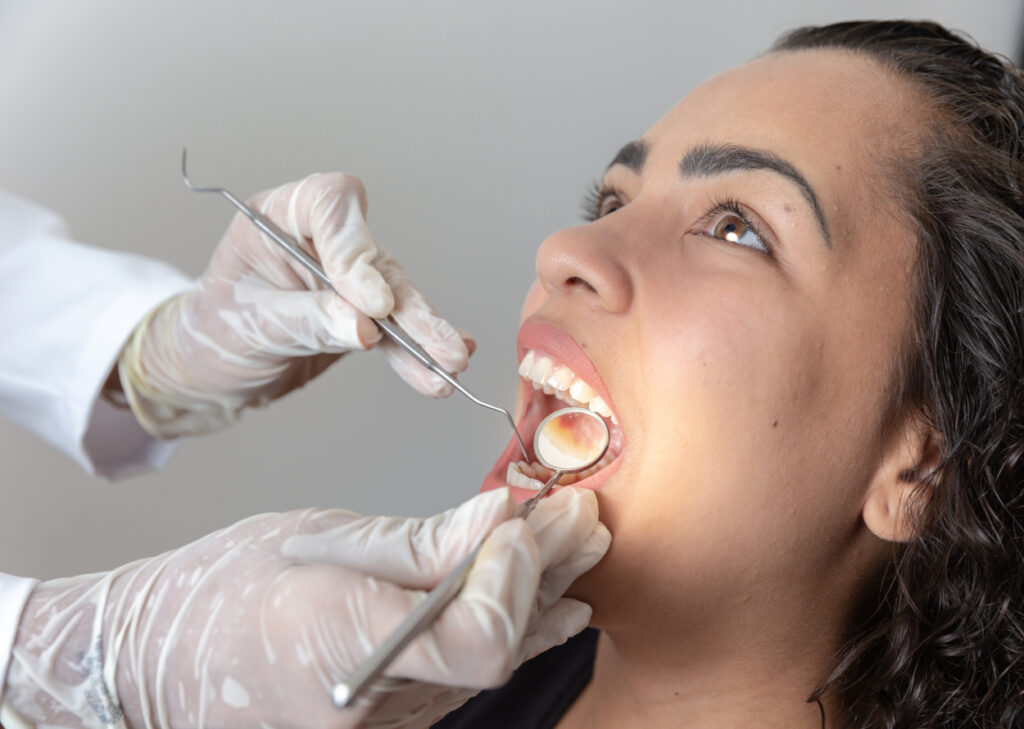
Gums rarely get much attention until they hurt, bleed, or recede enough to change a smile. In practice, that delay is one of the most frustrating parts of periodontal care. Gum disease usually starts quietly. A patient may notice a little pink in the sink while brushing, a persistent bad taste, or tenderness along one area and assume it is minor. Weeks turn into months. By the time discomfort becomes hard to ignore, the condition has often moved beyond simple inflammation.
That is why gum health deserves the same seriousness as cavities, broken fillings, or tooth pain. Gum disease affects the tissues that support the teeth. Left unchecked, it can lead to bone loss, loose teeth, chronic infection, and expensive restorative work that could often have been avoided with earlier care. The good news is that modern Gum Disease Treatment is effective, especially when paired with steady preventive dental care. The challenge is not just finding the right procedure, but matching treatment to the stage of disease and then maintaining the result.
What gum disease actually is
The short version is simple. Gum disease begins when bacterial plaque accumulates around the gumline. If it is not removed thoroughly, the gums become irritated and inflamed. At that early stage, the condition is called gingivitis. Gingivitis is common, and importantly, it is reversible. The gums may look redder than usual, feel puffy, or bleed when brushing or flossing, but the bone and connective support around the teeth have not yet been permanently damaged.
Once inflammation progresses deeper and starts affecting the structures that anchor the teeth, the diagnosis shifts to periodontitis. This is no longer a surface-level problem. The body’s inflammatory response, combined with bacterial activity, begins to break down supporting tissue and bone. Small spaces between the teeth and gums, called periodontal pockets, deepen. Those pockets become harder to clean at home, which allows more bacterial buildup, which in turn drives more inflammation. It becomes a self-sustaining cycle.
Patients sometimes ask whether gum disease comes from poor hygiene alone. Hygiene is a major factor, but not the only one. Some people with decent brushing habits still develop significant periodontal disease because of smoking, diabetes, dry mouth, certain medications, genetic predisposition, hormonal changes, stress, or longstanding dental crowding that traps plaque. I have seen patients with impressive discipline at home who still needed periodontal therapy because the shape of their teeth, restorations, or bite made some areas nearly impossible to clean effectively.
The earliest signs most people miss
One reason gum disease advances so easily is that early symptoms are not dramatic. It does not usually start with sharp pain. In many cases, it starts with subtle changes that patients normalize.
Here are the signs that should prompt a dental exam sooner rather than later:
- bleeding during brushing or flossing
- persistent bad breath or a sour taste
- swollen, tender, or shiny-looking gums
- gum recession or teeth appearing longer
- teeth that feel slightly loose or a bite that seems different
Bleeding is particularly misunderstood. Healthy gums do not typically bleed from routine brushing and flossing. People often stop flossing when they see blood, thinking they have injured the tissue. More often, the bleeding is a sign of inflammation that needs more careful cleaning, not less.
Another overlooked clue is spacing. A patient may say, “I swear these two front teeth did not have a gap last year.” Sometimes that shift comes from bite forces or aging, but it can also reflect bone loss and reduced gum support. Even mild tooth mobility should be taken seriously.
How dentists diagnose the problem
A proper periodontal evaluation is more detailed than a quick glance at the gums. Dentists and hygienists measure the depth of the spaces around each tooth with a periodontal probe. They note bleeding points, recession, plaque and tartar levels, gum texture, and mobility. Dental radiographs help reveal bone loss that cannot be seen directly during a routine visual exam.
Pocket depths matter, but context matters too. A four millimeter reading in one isolated area may mean something very different from generalized four to six millimeter pockets with bleeding throughout the mouth. A patient with heavy tartar, widespread inflammation, and early bone loss needs a different plan than someone with one localized problem near a crown margin.
This is where experience helps. Treatment should not be selected by pocket numbers alone. The pattern of disease, the patient’s medical history, tobacco use, home care habits, and ability to return for maintenance all influence the best next step.
Gum disease treatment is not one thing
Patients often ask for “a deep cleaning” as if it were the universal answer. Scaling and root planing, commonly described that way, is a cornerstone of care, but it is not the whole story. Gum Disease Treatment exists on a spectrum. Some patients need only improved home care and a standard cleaning. Others need non-surgical periodontal therapy, local antimicrobial treatment, bite adjustment, or referral to a periodontist for surgical intervention.
The aim is always the same: reduce the bacterial load, disrupt the inflammatory process, make the mouth easier to keep clean, and preserve the supporting structures around the teeth for as long as possible.
When gingivitis is the diagnosis
For gingivitis, treatment is usually straightforward. A professional cleaning removes plaque and calculus above and slightly below the gumline. The patient then tightens up home care with better brushing technique, consistent flossing or interdental cleaning, and sometimes a short-term antimicrobial rinse if indicated. In many cases, the gums improve noticeably within one to three weeks.
The important detail is follow-through. If someone leaves the office with polished teeth but goes back to hurried brushing once a day, the inflammation tends to return quickly. Gingivitis is reversible, but it is also easy to re-create.
When scaling and root planing is needed
Once periodontitis is present, routine cleaning is not enough. Scaling and root planing involves carefully removing calculus, plaque, and bacterial toxins from below the gumline and smoothing root surfaces so the tissues can heal more effectively. Depending on the extent of disease, treatment may be done by quadrant over multiple visits with local anesthesia to keep the patient comfortable.
Patients often worry when they hear the phrase “deep cleaning,” expecting a painful experience. In reality, most tolerate it well when the area is numb and the clinician works methodically. The more useful conversation is about what happens afterward. The gums may feel tender for a few days. Teeth can feel slightly more sensitive, especially to cold, because swollen tissue has shrunk and exposed more of the root surface. That does not mean the treatment failed. It often means inflammation has started to resolve.
A re-evaluation several weeks later is essential. Some pockets respond beautifully. Others remain deep and continue to bleed, which suggests that the area either still harbors difficult-to-remove deposits or has tissue architecture that may require additional therapy.
Adjunctive therapies and selective use
Adjuncts can help, but they are not magic. Localized antibiotic gels or antimicrobial chips may be placed in persistent periodontal pockets in selected cases. Prescription rinses, especially chlorhexidine, may be recommended short term after active treatment or surgery. Laser therapy is marketed heavily in some settings, but results depend on case selection, operator skill, and whether it is being used as an adjunct rather than a substitute for thorough mechanical debridement.
The key principle is that no rinse, pill, or device replaces meticulous removal of plaque and calculus. Patients are sometimes disappointed to hear that there is no shortcut. Periodontal bacteria live in a biofilm. That biofilm has to be physically disrupted.
When surgery enters the conversation
Surgical treatment is usually considered when non-surgical care improves the mouth but leaves behind pockets or defects that cannot be predictably maintained. A periodontist may recommend flap surgery to gain access for more complete cleaning and reshaping of the tissues. In some cases, regenerative procedures using membranes, graft materials, or biologic agents can help rebuild support in specific defects. Gum grafting may also be advised when recession causes sensitivity, root exposure, or a high risk of further tissue loss.
These procedures are not cosmetic luxuries when properly indicated. They can improve access for cleaning, reduce disease activity, and protect vulnerable teeth. Not every patient is a candidate, and not every defect can be regenerated. Honest case selection matters. Some areas are maintainable without surgery. Others are not.
The role of preventive dental care after treatment
One of the biggest misunderstandings in periodontal care is the belief that treatment is a one-time fix. It is better to think of it as disease control. Once a patient has had periodontitis, the mouth remains more vulnerable than a mouth that never developed it. That does not mean the outlook is poor. It means maintenance becomes part of the plan.
This is why periodontal maintenance visits are different from routine six-month cleanings. They are usually scheduled every three to four months at first, sometimes longer if the condition is exceptionally stable. At these visits, the clinical team checks pocket depths, bleeding, plaque retention, tartar buildup, recession, mobility, and home care effectiveness. Areas of recurrent inflammation are cleaned carefully before they become major setbacks.
Patients sometimes resist the increased frequency because the gums feel fine. That is understandable, but it ignores how periodontal disease behaves. It often returns silently. A four-month interval can make the difference between catching one inflamed site early and discovering generalized breakdown a year later.
Daily habits that genuinely prevent relapse
Preventive dental care is not about buying a crowded lineup of gadgets. The best routines are practical enough to repeat every day. Most people do better with a short system they can sustain than with an idealized one they abandon after two weeks.
A reliable home-care routine usually includes:
- brushing twice daily for two full minutes with a soft-bristled brush
- cleaning between the teeth once daily with floss, interdental brushes, or picks recommended for the specific spaces
- using fluoride toothpaste, especially if recession has exposed sensitive root surfaces
- wearing any prescribed night guard if clenching or grinding is contributing to mobility or recession
- keeping periodontal maintenance appointments on the schedule rather than booking only when symptoms appear
Interdental cleaning deserves special emphasis. For many adults with mild recession or wider spaces between teeth, interdental brushes work better than floss because they physically contact more of the root surface. Floss still has value, especially in tight contacts, but the “best” tool is the one that fits the anatomy and is used consistently. A good clinician should show the patient exactly what size brush or type of floss aid fits each area. Generic advice often fails because mouths are not generic.
Smoking, diabetes, and other factors that change the prognosis
Some patients do everything right mechanically and still struggle. Usually there is another factor amplifying the disease process.
Smoking remains one of the most destructive influences on gum health. Smokers often bleed less than expected because nicotine constricts blood vessels, which can mask the severity of inflammation. The gums may look deceptively calm while bone loss continues. Treatment can still help, but healing tends to be less predictable, and relapse is more common unless tobacco use stops.
Diabetes, especially when poorly controlled, has a similarly strong effect. Elevated blood sugar can worsen inflammation and impair healing. The relationship goes both ways. Periodontal inflammation can make glucose management harder. In practice, some of the best outcomes come when the dentist, physician, and patient all address the condition together rather than treating oral health as a separate issue.
Dry mouth is another major but underappreciated problem. Patients taking medications for blood pressure, anxiety, depression, allergies, or overactive bladder often have less protective saliva. That increases plaque retention, shifts the bacterial environment, and raises the risk of both gum disease and root decay. These patients may need shorter recall intervals and more targeted product recommendations.
Pregnancy, menopause, immune conditions, and orthodontic appliances can also complicate gum care. None of these factors makes treatment pointless. They simply change how vigilant the plan must be.
What recovery usually feels like
After professional periodontal treatment, many patients notice a mix of improvements and temporary adjustments. Bleeding decreases first. Then the gums start to look firmer and less swollen. Breath often improves. It is also common for spaces between the teeth to appear larger once puffy tissue shrinks down. Some people find this surprising, even though it is actually a sign that inflammation is resolving.
Cold sensitivity may come and go, especially on exposed roots. This often settles with time, desensitizing toothpaste, fluoride varnish, and careful brushing. If it persists, the dentist may suggest bonding in certain areas or evaluate whether brushing pressure, acid erosion, or grinding is contributing.
The emotional side should not be ignored either. Patients who learn they have bone loss often feel guilty or alarmed. The more productive response is to focus on control rather than blame. Many adults inherit risk factors they did not choose and receive inconsistent oral health guidance for years. Once the diagnosis is clear, the real work is building a plan that fits daily life and keeps the condition stable.
The cost of waiting
Periodontal disease is one of those conditions that becomes more expensive, more invasive, and less reversible the longer it is postponed. A patient who could have been managed with localized non-surgical therapy may later need multiple quadrants of treatment, surgical care, extraction of hopeless teeth, implant planning, or removable tooth replacement. Financial cost rises, but so does biological cost. Bone lost around a tooth does not simply grow back on its own.
There is also the practical disruption. People often underestimate how much advanced gum disease interferes with ordinary life. Chewing becomes tentative. Cold drinks sting. Food packs between teeth. Smiling changes. Social confidence drops when breath problems become persistent. These quality-of-life effects matter just as much as the clinical charting.
How to choose the right provider and ask better questions
A good periodontal conversation is specific. Rather than asking only, “Do I need a deep cleaning?” it is more useful to ask where the disease is active, how severe the bone loss is, which teeth are most at risk, what home-care method fits your anatomy, and how success will be measured at re-evaluation.
Strong clinicians explain findings in plain language. They show radiographs, point out bleeding areas, and distinguish between inflammation that is reversible and support that has already been lost. They also avoid overselling. Not every inflamed gumline requires aggressive therapy, and not every deep pocket requires surgery. The plan should match the biology, not the marketing.
For patients with moderate to advanced disease, referral to a periodontist can be extremely valuable. General dentists manage many periodontal cases well, especially mild to moderate ones, but specialists bring additional experience with complex defects, surgical options, grafting, and https://keeganxjwr649.timeforchangecounselling.com/common-myths-about-gum-disease-treatment-debunked long-term stability in higher-risk mouths. Seeking specialist input is not a sign that something went wrong. It is simply appropriate escalation when the case calls for it.
Keeping teeth for the long haul
The most encouraging truth about gum disease is that many patients keep their teeth comfortably for decades after diagnosis. That outcome usually depends less on one dramatic procedure and more on steady management. Timely Gum Disease Treatment stops active destruction. Preventive dental care keeps the mouth from drifting back into the same pattern.
The people who do best are not always the ones with perfect teeth to begin with. They are often the ones who become consistent. They learn where plaque collects in their own mouth. They stop treating bleeding as normal. They return for maintenance before problems feel urgent. They accept that gums need active care, not occasional attention.
Healthy gums do not demand perfection. They do demand respect. When that respect shows up in daily cleaning, regular professional oversight, and early treatment when changes appear, the results are usually far better than patients expect.
Avra Dental
Address: 1708 S Victoria Ave B, Ventura, CA 93003
Phone number: +18057653206
FAQ About Gum Disease Treatment
Can I make my gums healthy again?
Yes, you can make early-stage gum disease completely healthy again, but advanced damage requires professional care to manage.
Can you cure gum disease?
You can cure early-stage gum disease, but advanced gum disease cannot be fully cured.
Can I live a normal life with gum disease?
Yes, you can live a normal life with gum disease, but it requires active, lifelong management to control the condition and prevent serious complications